


Sustainability: Respect for People and Planet
At KORAJE, sustainability is not a marketing buzzword. It is a consolidation of the land, the people, and the ethical practices we stand behind. Choosing a genuine, authentic extra virgin olive oil means understanding not only what is in the bottle but also how it was grown, harvested, produced, and protected at every stage.
Protected Origins, Sustainable Future
Our producers operate under PDO Sierra Mágina, an Andalusian body awarded by the Regional Government Delegation in Jaén (Delegación de la Junta de Andalucía in Jaen) in 2021 for the environmental sustainability of its production.
PDO olive oil from Sierra Mágina represents one of Spain's most meticulously governed designations of origin, where origin is not a marketing claim but a verified, protected standard.
The PDO implements a range of sustainability initiatives focused on environmental protection, circular economy, and rural oleotourism. These initiatives play an important role in supporting rural Andalusian communities, helping prevent environmental decline and socio-economic marginalization.
Protecting Natural Integrity
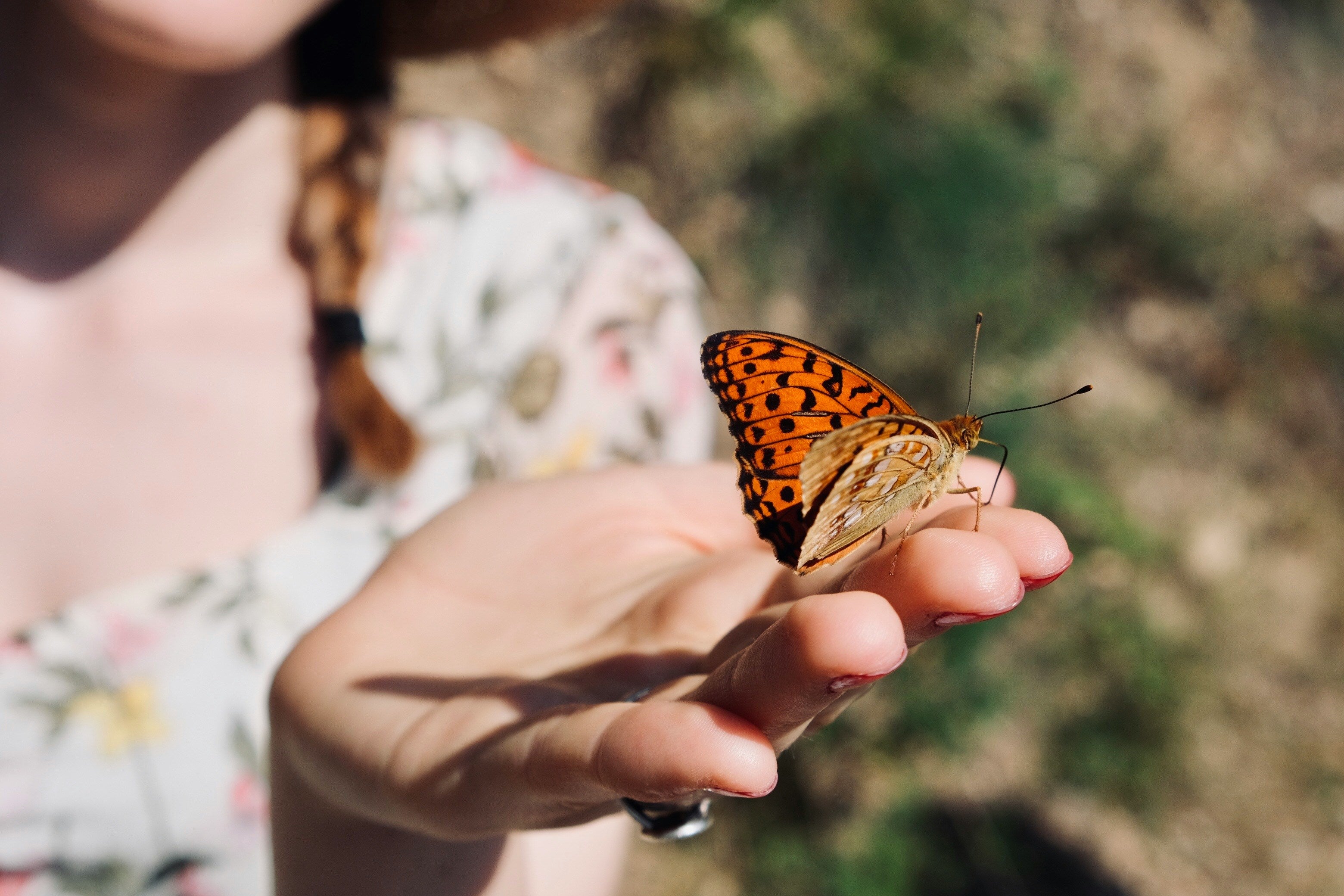
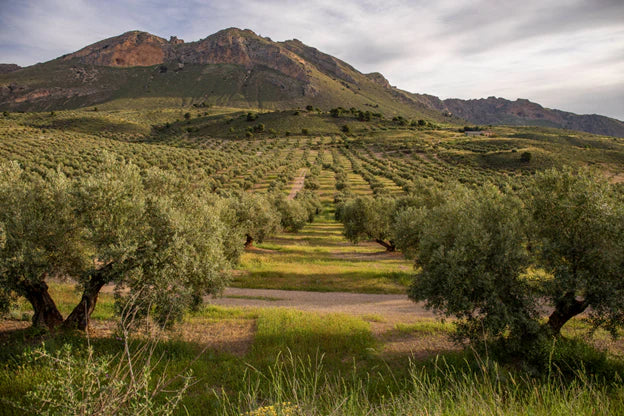
The olive groves are a part of the Sierra Mágina landscape, where sustainable olive cultivation coexists with native flora and fauna in a natural ecosystem.
Integrated Production System certification ensures Integrated Pest Management (IPM), which regulates and limits the use of pesticides and other harmful chemicals.
Olive oil fraud, mislabeling, and unverifiable quality claims are well documented problems across the industry. Research shows that a significant proportion of oils sold as extra virgin olive oil fail to meet the standard. Sustainable olive oil production means nothing if authenticity cannot be verified.
Olive oil production in the Mediterranean region pays many environmental costs. Air pollution and carbon dioxide emissions from pruning waste burning are compounded by water scarcity, soil erosion, and biodiversity loss.
Sustainability Rooted In Responsibility
The cultivation and production model is designed to help mitigate these challenges through a range of sustainable practices:
1
Waste to Fertility
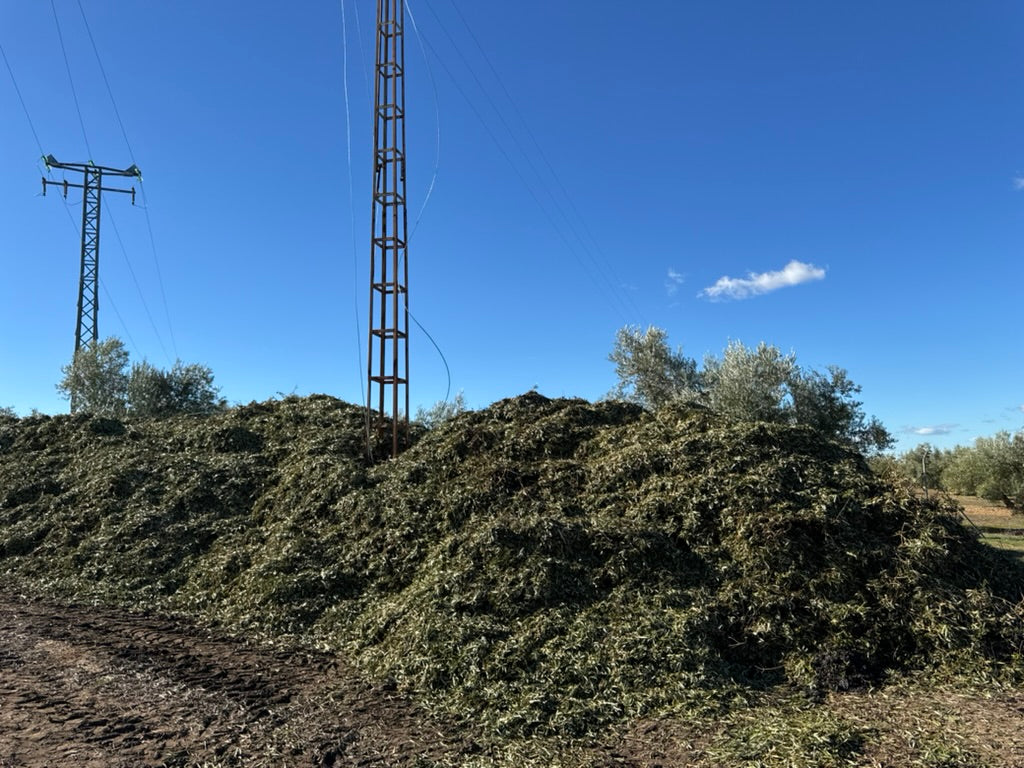
Pruning and deleafing waste are composted and returned to the grove (soil carbon sequestration), closing the nutrient loop naturally.
2
Biomass Energy
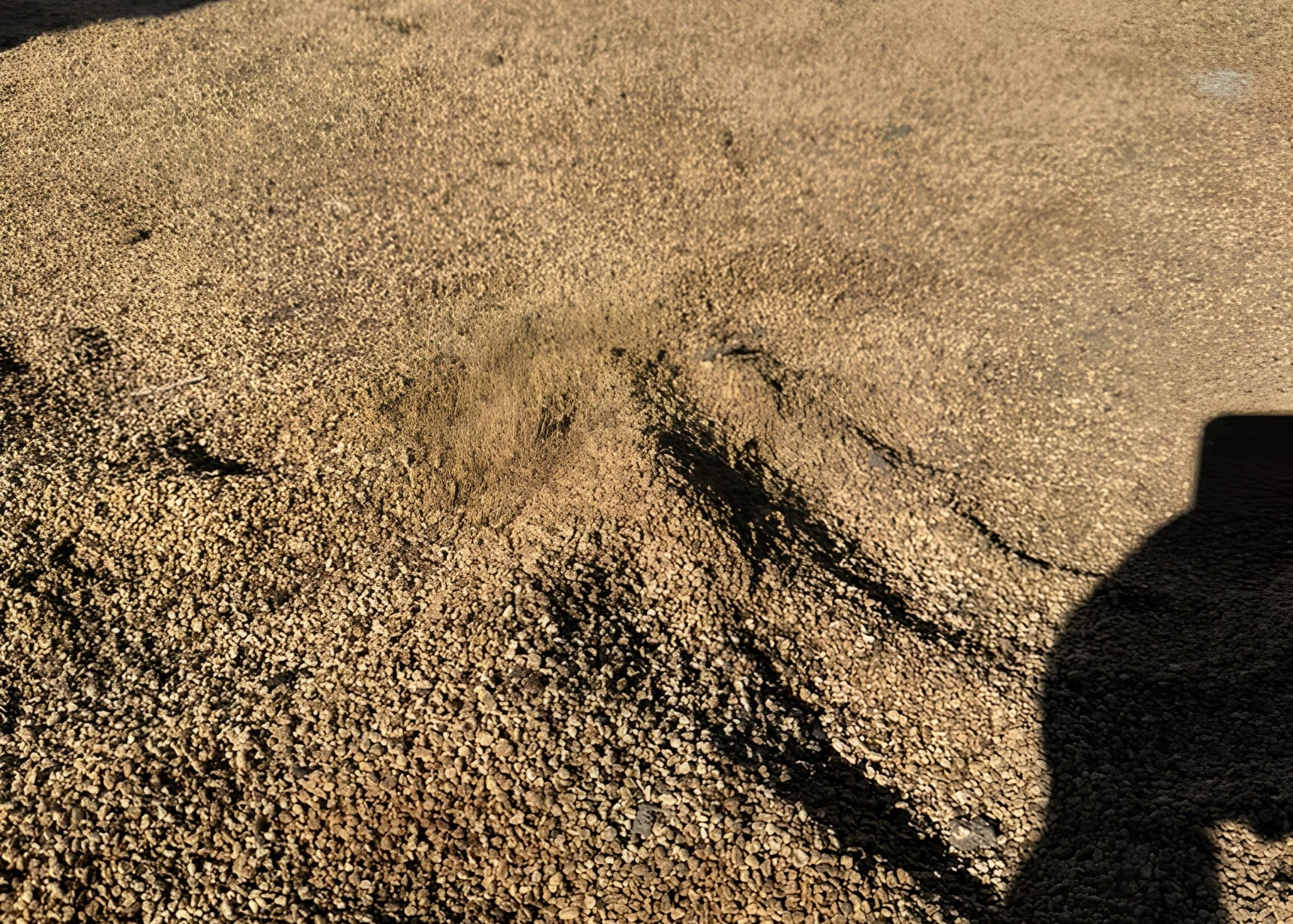
Olive pits are converted into high-calorific fuel, giving every part of the harvest cycle a second purpose.
3
Soil Preservation
Permanent ground cover is maintained across the groves. It anchors the soil and prevents the erosion that threatens long-term agricultural viability across the Mediterranean region.
4
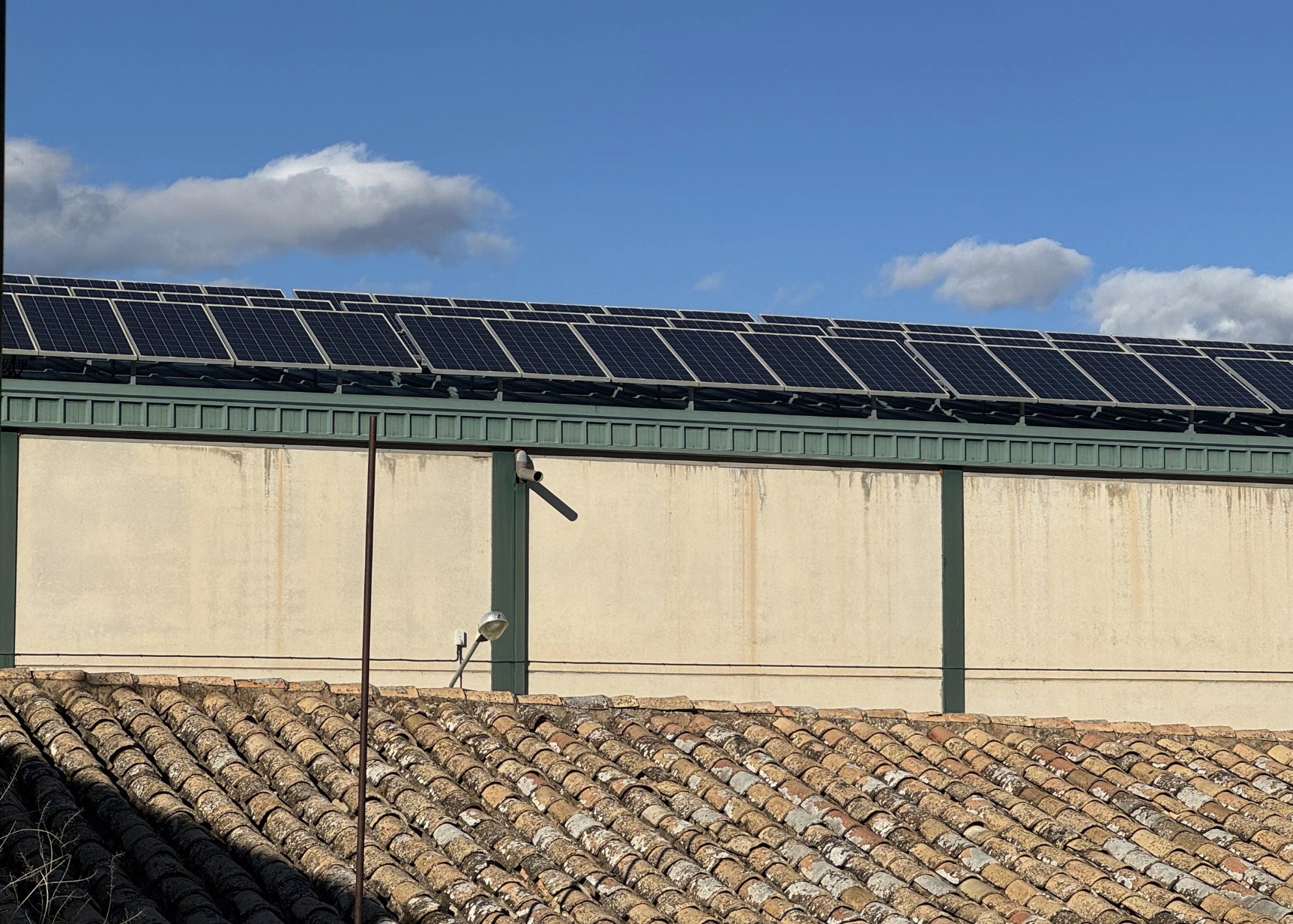
Solar Energy
Permanent ground cover is maintained across the groves. It anchors the soil and prevents the erosion that threatens long-term agricultural viability across the Mediterranean region.
5
Biodiversity Protection
Integrated pest management preserves the balance of plant and animal life across the grove ecosystem, one of the defining characteristics of genuinely sustainable olive oil from Spain.
6
Vegetable Water Management
The water released during olive extraction is channeled into fully impermeable evaporation ponds. It evaporates naturally over the year, leaving no discharge into the surrounding environment.
7
People
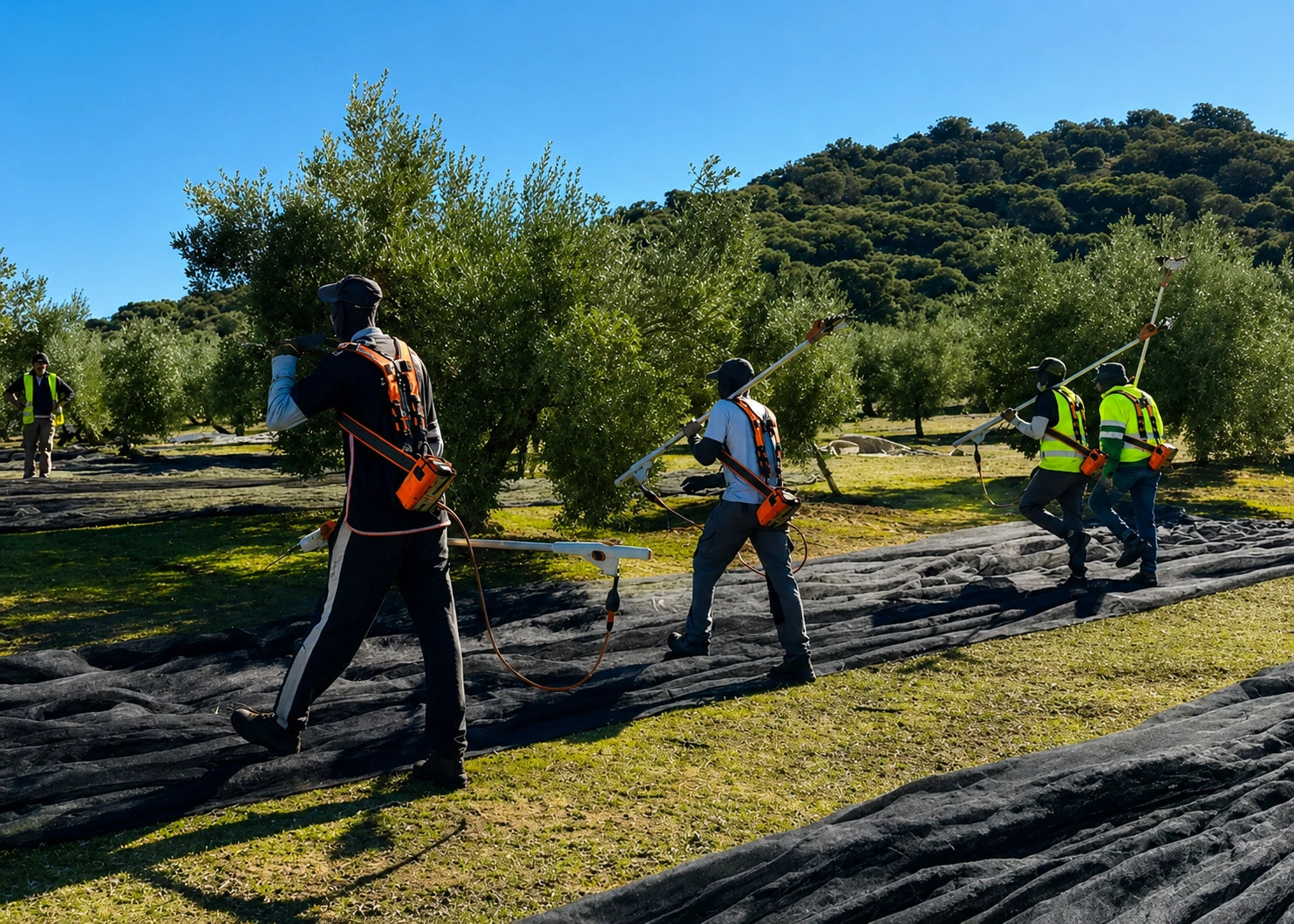
The workforce across cultivation, harvest, and production presents inclusivity irrespective of color, creed, and origins.
The production and packaging system is independently certified to ISO 14001:2015 for environmental management and ISO 9001:2015 for quality management.
Sustainability at KORAJE is not a goal. We are dedicated to minimizing plastic use and pursuing continuous improvement across our materials, processes, and environmental practices.

Fast Shipping
Olive oil is a sensitive product. So, every second counts. Just order and relax, we value your time and integrity of our product.

Secure Payment
We ensure secure payment through our website.

Customer Support
Use our Contact Us form to reach us 24/7. We will personally answer your query.

100% Guaranteed
We always provide high-quality products. If you are not satisfied, we will fix it for you.