

What Is Integrated Production? | Sustainable Olive Farming
What is an Integrated Production System?
Integrated Production (IP) is a farming system that focuses on producing crops in a sustainable and environmentally friendly way. It is a certification process according to Royal Decree 1201/2002, November 20th.
It combines modern agricultural techniques with natural processes to grow crops while protecting and improving the environment, natural resources, soil, farmers, consumers, and landscape conservation.
According to FAO, in integrated production systems, the products, by-products, or services of one component of the system serve as a resource for the other production component, and scarce or degraded natural resources are efficiently allocated over space.
It is an agricultural production system halfway between organic farming and conventional farming.
Objectives
-
Preservation of soil and biodiversity
-
Monitoring Soil Organic Carbon under different crop management, increasing the soil quality, and mitigating climate change impacts
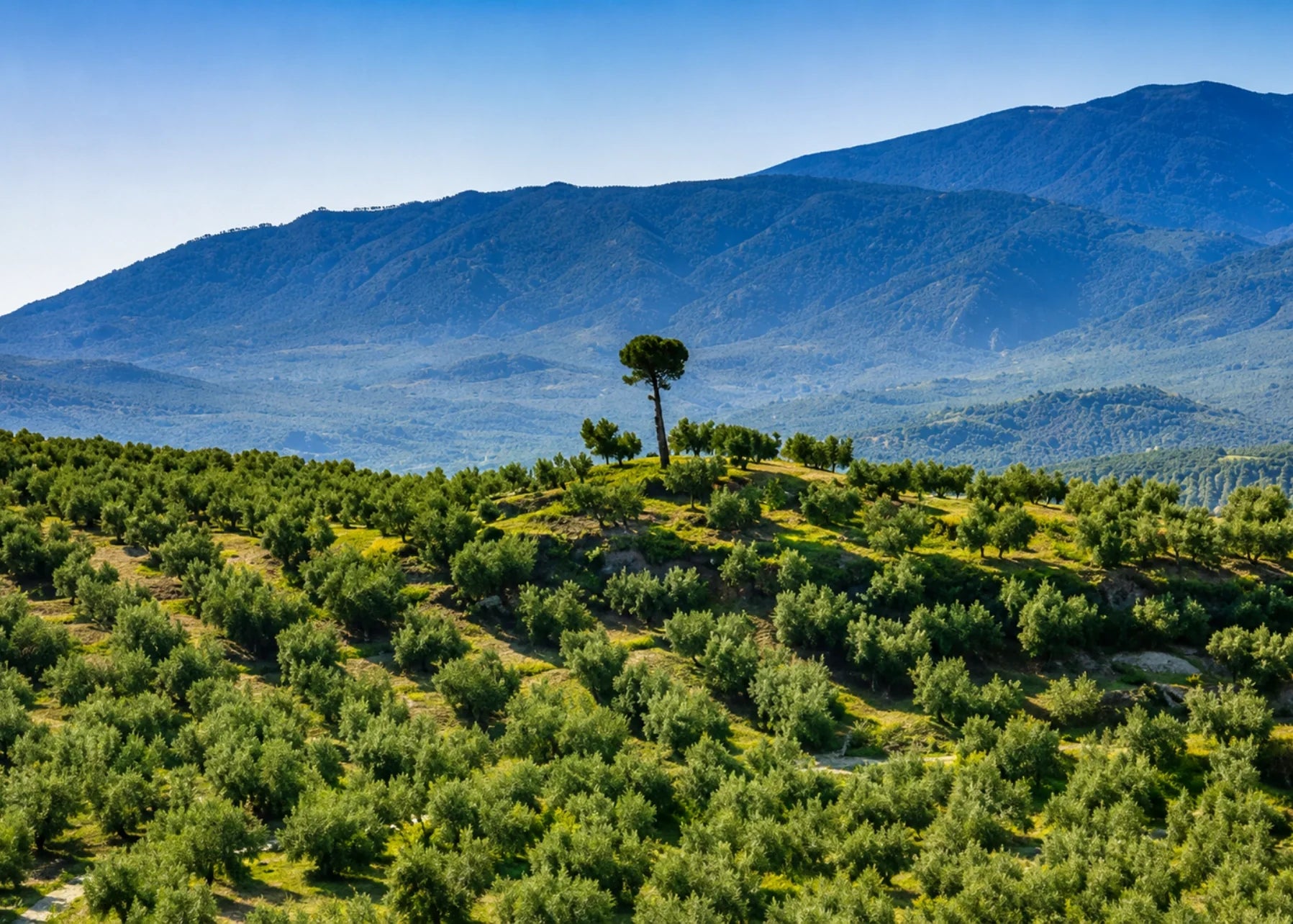
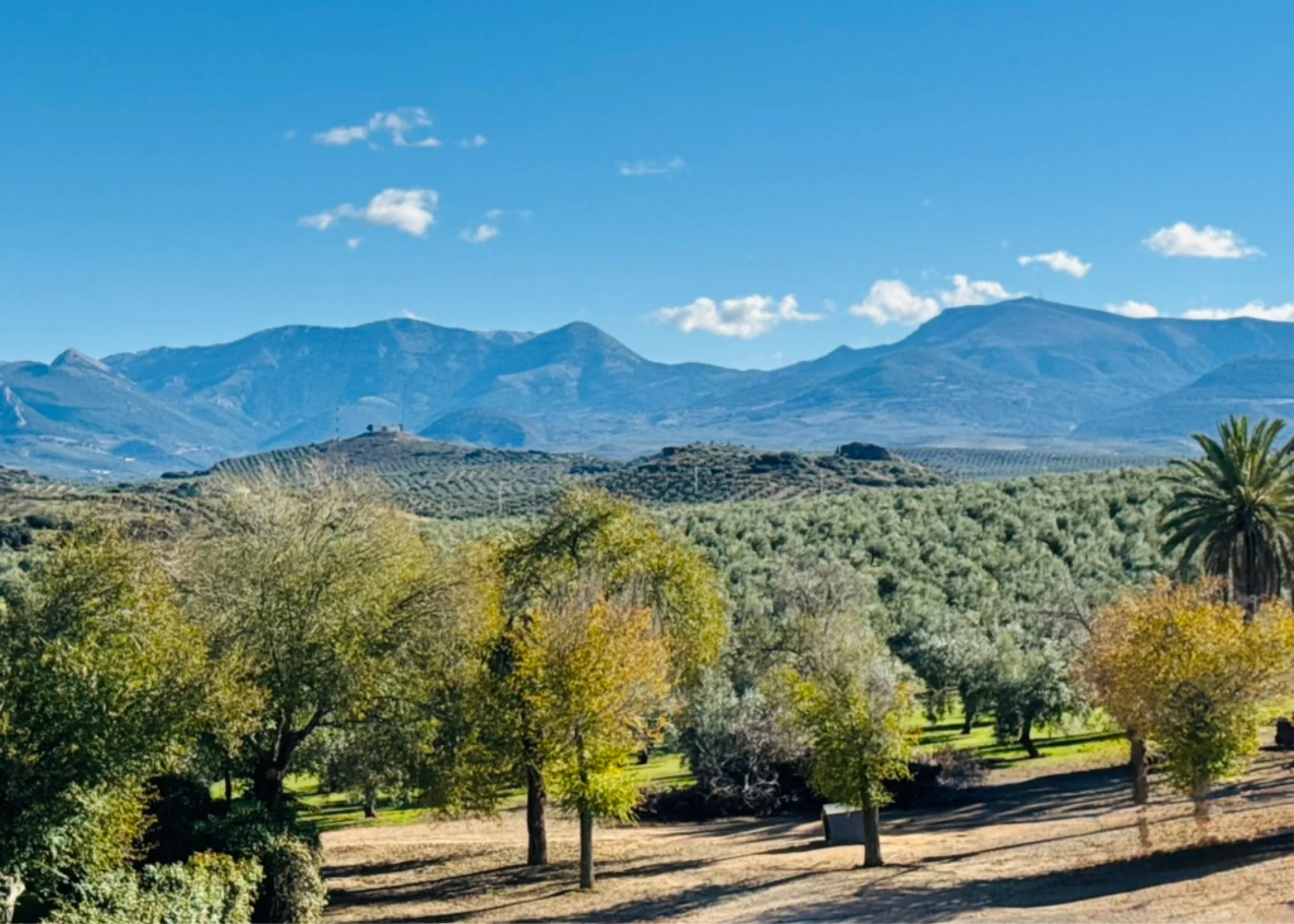
Agroforestry is one of the best examples of an integrated production system in olive cultivation in Andalusia. Or, growing almond or other suitable crops and grazing livestock in the olive grove is another example of an integrated production system.
Common Practices in Olive Production Recommended by IPM:
The Integrated Production Regulation ensures a series of prohibited, mandatory, and recommended practices based on different threats:
Plantation: Use of certified seeds or seedlings and a recommended plantation framework of 200-300 olive trees per ha, without excluding higher density plantations.
Soil erosion: Practices such as contour farming, terracing, cover crops, and minimal tilling are used to prevent soil erosion.
Use of fertilizers: Use of fertilizers is determined based on the olive variety, age, plantation density, soil fertility, mineral level, and contribution from irrigation and rainwater.
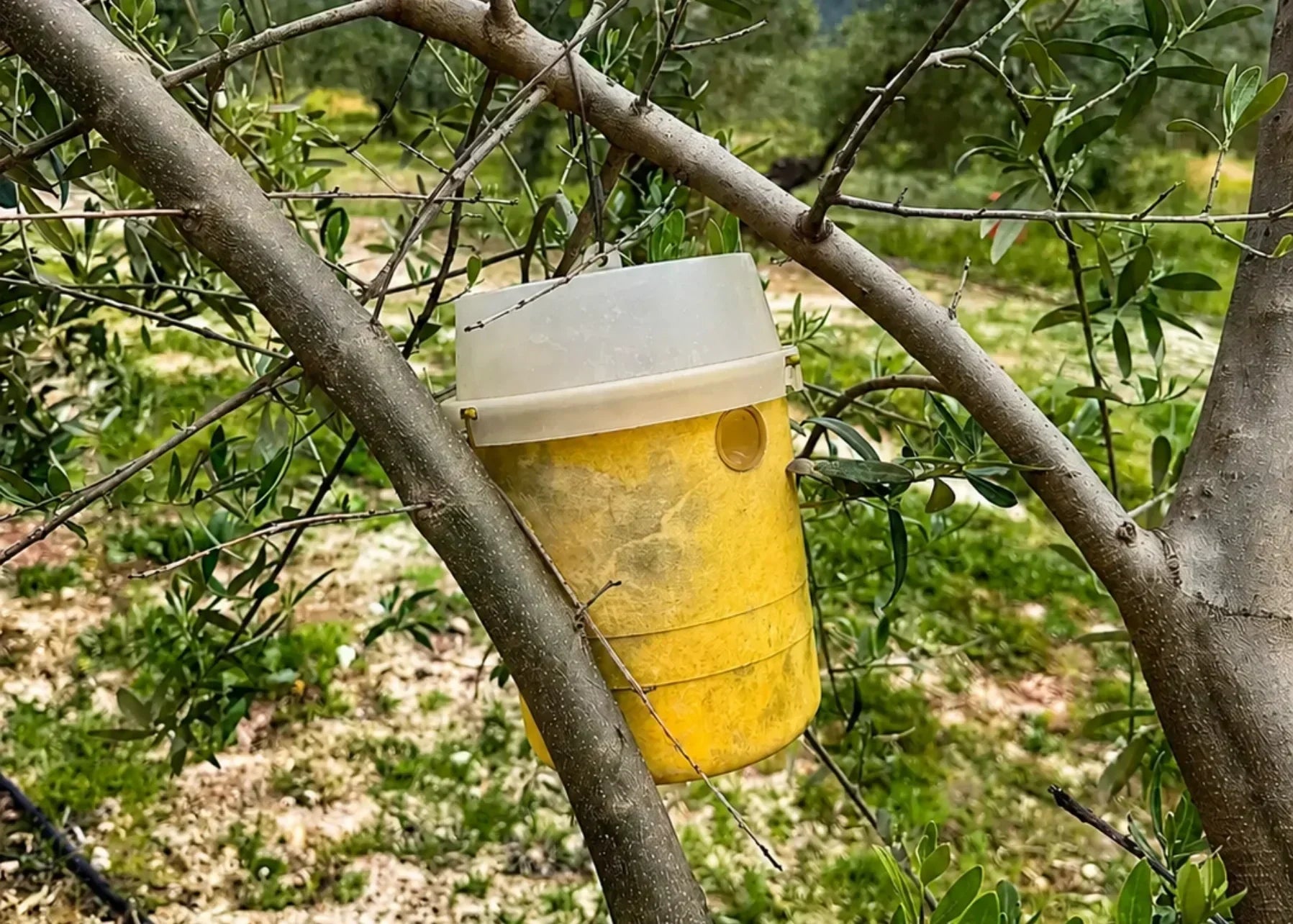
Phytosanitary or pest control: The phytosanitary products or pesticides are only used when risk levels exceed the Integrated Production Association, in Spanish Agrupación de Producción Integrada (API), defined economic loss thresholds.
Irrigation: Drip irrigation is the standard. The FAO proposed irrigation calendar is used. During the rainy season, water accumulated in the soil is used. Deficit irrigation strategies are used during the non-critical growth period of the olive tree. Periodic bacteriological analysis (once a month) is recommended if wastewater is used in irrigation.
Harvesting: During harvesting, irrespective of the technique, the quality and integrity of the fruit are maintained. Contact with the soil is avoided. Use of tarpaulins or nets is recommended.
Integrated Production Regulations require all staff of the participating entity to be trained, and the producer shall hold a valid pesticide license. Also, farms must meet strict standards for safety, cleanliness, and the proper storage of water and chemicals.
Each year, monitoring and/or certification of the management is carried out.
Key advantages of the Integrated Production System
Integrated production connects different parts of the farm.
Crops, animals, water, trees, and other farm activities are linked so that another part can use the output or waste from one part. The idea is to make the whole farm work together as one system.
It helps farmers use resources better.
These systems recycle nutrients, water, and energy on the farm. That can reduce waste, lower pollution, and cut costs for things like fertilizer, pesticides, feed, and energy, improving the profitability of the farms.
It can make farms more resilient and productive.
Because integrated farms are more diverse, farmers are not relying on just one crop or one activity. Secondary or tertiary farming generates more food. If one part does badly, another part may help balance the loss.
It can support biodiversity and healthier farming landscapes.
Integrated systems often keep more kinds of plants, animals, and beneficial organisms on the farm than highly specialized systems do. This can help the farm stay more balanced and productive over time.
It improves the sustainability of the agroecosystem.
Integrated Production system rationalizes the use of natural resources, reduces soil erosion, and protects native flora and fauna. It also promotes conservation activities in rural areas.
It can help with climate change.
Integrated systems can lower greenhouse gas emissions compared with separate specialized systems. For example, they can recycle manure and crop residues better, use resources more efficiently, and in some cases store more carbon in trees and soil (Higher carbon sequestration in biomass and soil), which improves soil health and water infiltration and retention rates.
It guarantees products of high quality.
Integrated Production ensures high-quality, safe food products for consumers. Low chemical fertilizers and pesticide use result in low pesticide and chemical residue. Mandatory monitoring and documentation aid in product traceability.
Integrated production means farming in a smarter, more connected way, where less is wasted, and more of the farm works together
References



%C2%A0is%20a%20farming%C2%A0system%C2%A0that%20focuses%20on%20producing%20crops%20in%20a%C2%A0sustainable%20and%20environmentally%20friendly%20way.%C2%A0It%20is%20a%C2%A0certificat...)