
Article: Integrated Pest Management (IPM)
Integrated Pest Management (IPM)
What are pests?
Pests are organisms that cause interference and damage to crops and other plants in the field and orchards, or have an impact on animal and human health by transmitting diseases
A pest can be anything ranging from weeds, insects, pathogens, and vertebrate animals.
What is Integrated Pest Management?
Integrated Pest Management (IPM) or IPM in agriculture is a sustainable and science-based decision-making process in the management and mitigation of pest risk.
It prioritizes long-term prevention over reactive chemical control.
Official definition of Integrated Pest Management
University of California IPM program defines Integrated Pest Management as “Integrated Pest Management is an ecosystem-based strategy that focuses on long-term prevention of pests or their damage through a combination of biological control, habitat manipulation, modification of cultural practices, and use of resistant cultivars.”
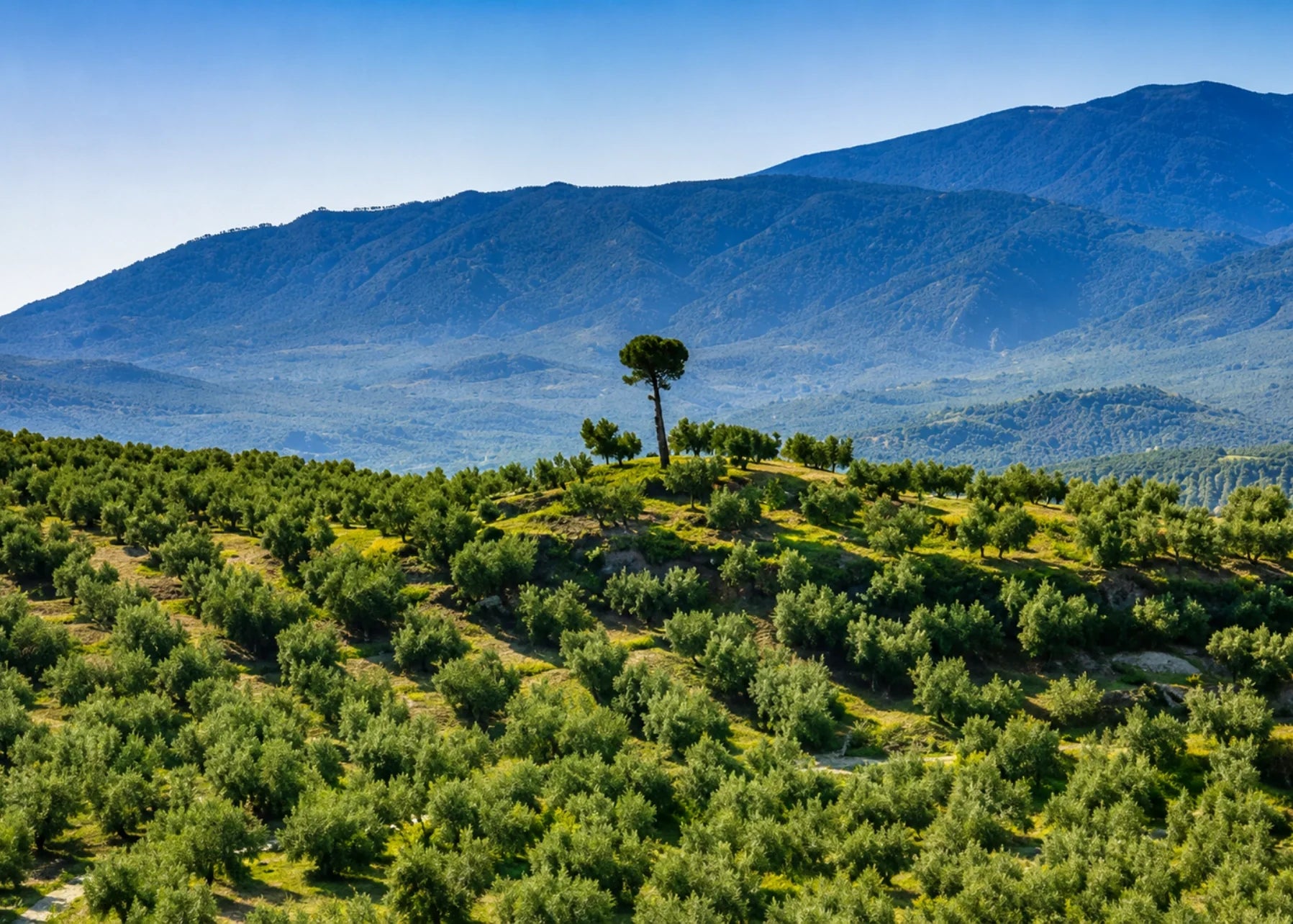
IPM is used in the Andalusia region as a sustainable pest control option for olive grove pest management.
The farmers and cooperatives have adopted IPM as a sustainable olive oil farming practice.
Approach of IPM
There are five steps in integrated pest management-
- Identification of pest
- Monitoring of pest activity
- Determination of action threshold (degree of severity)
- Exploration of treatment options and administering treatment
- Evaluation and documentation of the result obtained
Control methods or Management tools
An effective, less risky pest control method is chosen. The objective is to achieve chemical-free farming by pesticide residue reduction.
For that reason, natural pest control methods are favored over the chemical pest control. A combination of methods that work better together is most effective.
Approaches for managing pests are grouped in categories such as:

Biological Pest Control
Use of natural enemies, such as predators, parasites, pathogens, and competitors, is used.
Highly targeted semiochemicals, such as pheromones, are used to disrupt the pest mating.
Cultural Control
Practices that reduce the pest establishment, reproduction, dispersal, and survival are used.
For example, changing irrigation practices can reduce pest problems, such as root disease and weeds.
Mechanical and Physical Control
This includes practices, such as killing the pest directly, blocking pests out, or making the environment unsuitable for pests.
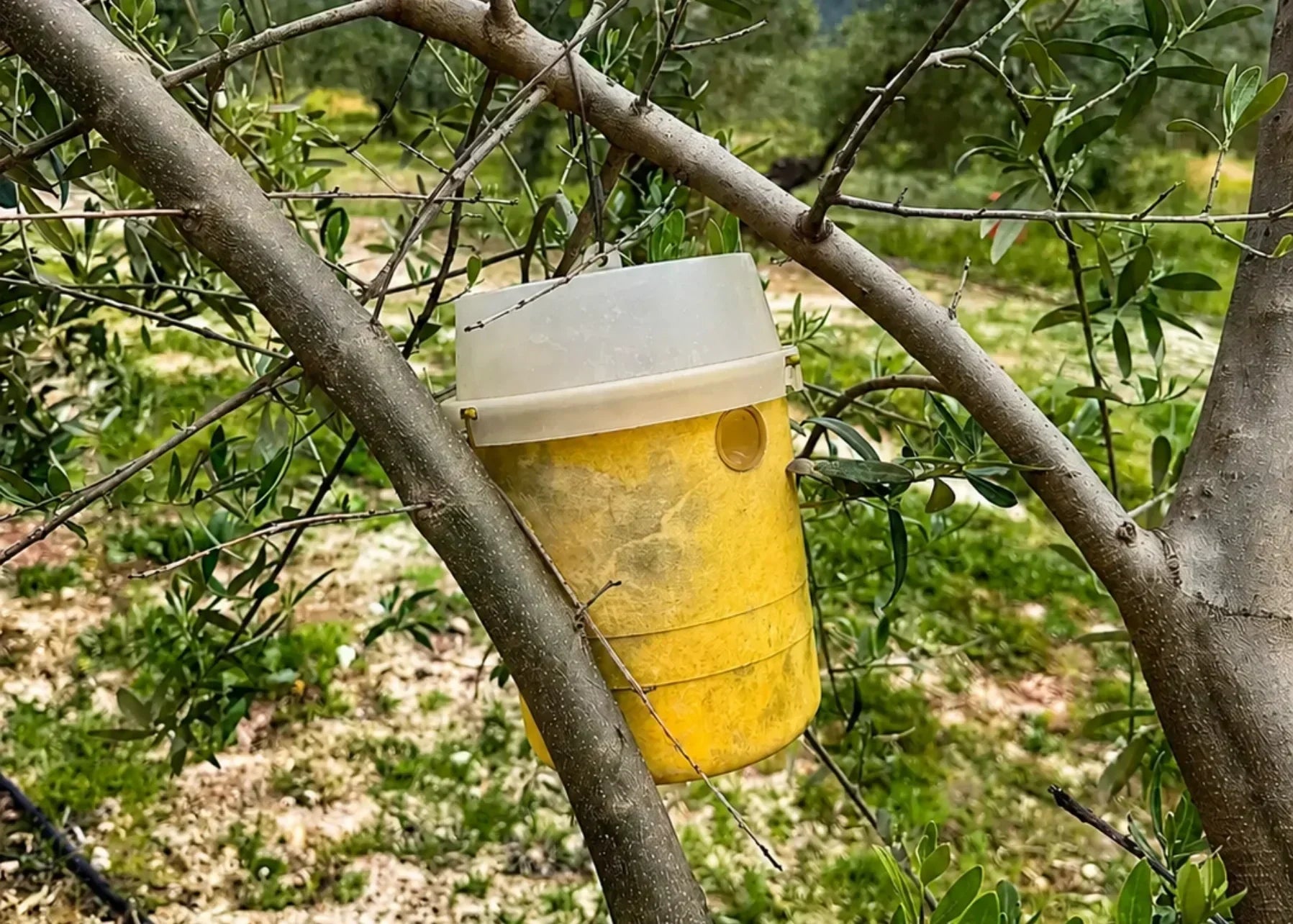
For instance, insect traps, rodent traps, and screens to keep birds and insects out are common methods.
Chemical Control
In integrated pest management, pesticides are used only when needed and in combination with other controls for more effective and long-term control.
A very specific and selective pesticide is used in selected areas in a way that has the least side effects on human health, non-targeted organisms, and the environment (air, soil, water quality).
Pesticides are used in reduced doses, reduced application frequency, or only partial application is employed.
The chemical control is a last-line defense. Sustainable biological, physical, and other non-chemical controls must be preferred to chemical control when satisfactory pest control is achieved.
Prevention
Prevention or suppression of the harmful organism is the first-line approach.
Preventive techniques as follows are employed:
- Crop rotation
-
Use of an appropriate cultivation technique
-
Use of resistant cultivars
-
Use of balanced fertilizers and other agents
- Prevent the spreading of pests by regular cleaning of machinery equipments
Benefits of Integrated Pest Management in Sustainable Agriculture
- Applies sustainable pest control
- Reduces pesticide residue
- Enhances ecosystem balance
- Supports biodiversity and the natural predator population
- Increases income level due to reduced levels of pesticide use
- Strengthens farmer knowledge
How does IPM differ from Organic? IPM vs. Organic Farming
IPM allows the controlled use of pesticides, fertilizers, and other materials made from synthetic materials when needed. On the other hand, organic certification restricts the use of natural pesticides and bans the use of synthetic pesticides. The natural pesticides can also have harmful effects on humans, animals, and the environment.
How does IPM reduce pesticide hazards?
IPM reduces hazards by reducing overall pesticide use, using the least hazardous pesticides when there is a demonstrated need, and taking special protective measures to reduce pesticide exposure to living organisms and the environment. The use of pesticides is a last-line defense, and other non-chemical controls are preferred.
References